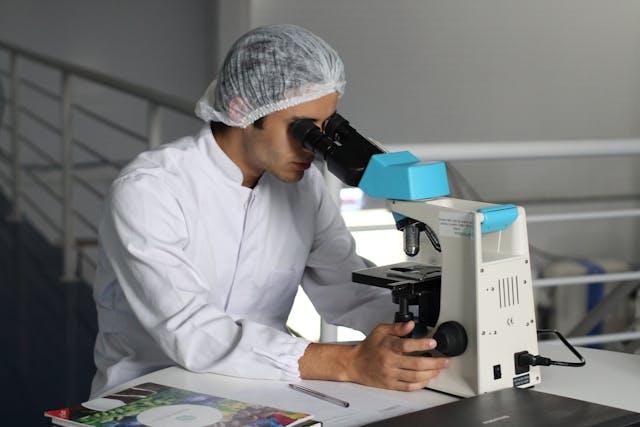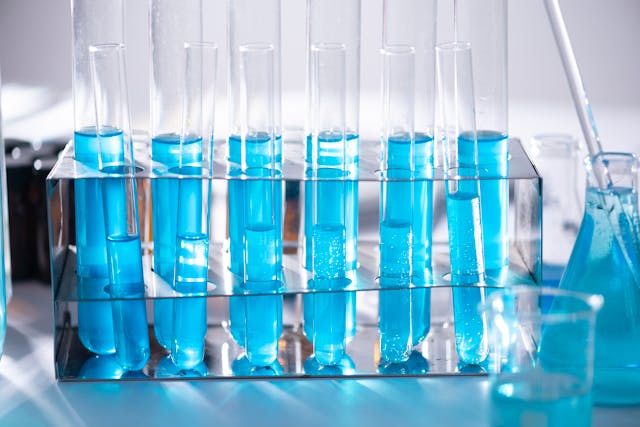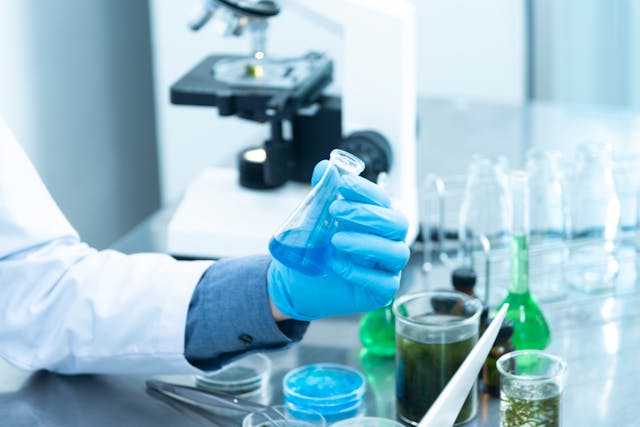
GCSE Combined Science is a qualification that combines aspects of biology, chemistry, and physics into a single course of study. It is typically taken by students in the UK at the end of their secondary education, usually in Year 11 (ages 15–16). Here’s an overview of what GCSE Combined Science covers: GCSE Combined Science typically includes practical activities, experiments, and investigations to develop students’ practical skills, scientific inquiry, and analytical abilities. The course aims to provide students with a broad understanding of key scientific concepts and principles across biology, chemistry, and physics, preparing them for further study, employment, and lifelong learning in science-related fields.
Continue Reading